
Restore Damaged or Discoloured Teeth with Dental Crowns in Cheadle, Manchester
Damaged, weakened, or discoloured teeth can impact your smile, chewing ability, and self-esteem. Dental crowns at Dental Implants Plus offer a versatile and long-lasting solution to restore your teeth’s functionality and aesthetics.
A Dental Crown is a custom-made cap that fits over a damaged or weakened tooth, restoring its strength, shape, size, and appearance. Crowns can be made from various materials, each with its own advantages.
At Dental Implants Plus, we utilise advanced dental technology to create precise and long-lasting crowns. Our experienced dentists will carefully assess your needs and recommend the most suitable crown material and design. We utilise computer-aided design (CAD) for exceptional accuracy and a natural aesthetic.
Taking care of your dental crowns is simple and important for their longevity. Treat them as you would your natural teeth by brushing after meals and before bedtime, paying attention to the gum line where bacteria can build up. Daily flossing helps remove food particles and plaque from between your teeth and crowns. Rinse with fluoride mouthwash before bed for added protection against decay. Don’t forget to schedule regular check-ups with your dentist at least once a year to ensure your crowns stay in great shape and your smile remains healthy and bright.
Dental crowns at Dental Implants Plus can restore your oral health, confidence, and smile. Contact us today to schedule a consultation and discuss your options.
Quick action can save your tooth and reduce pain. Contact us for immediate support.
Call Us Now:
0161 428 2355
Call Us Now:
0161 428 2355

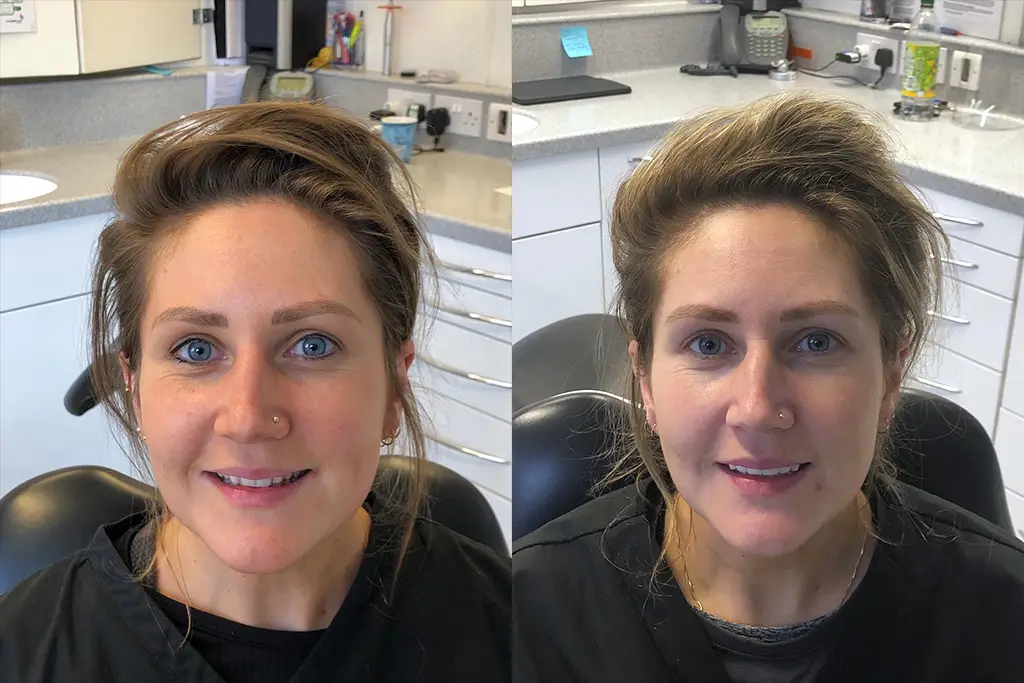
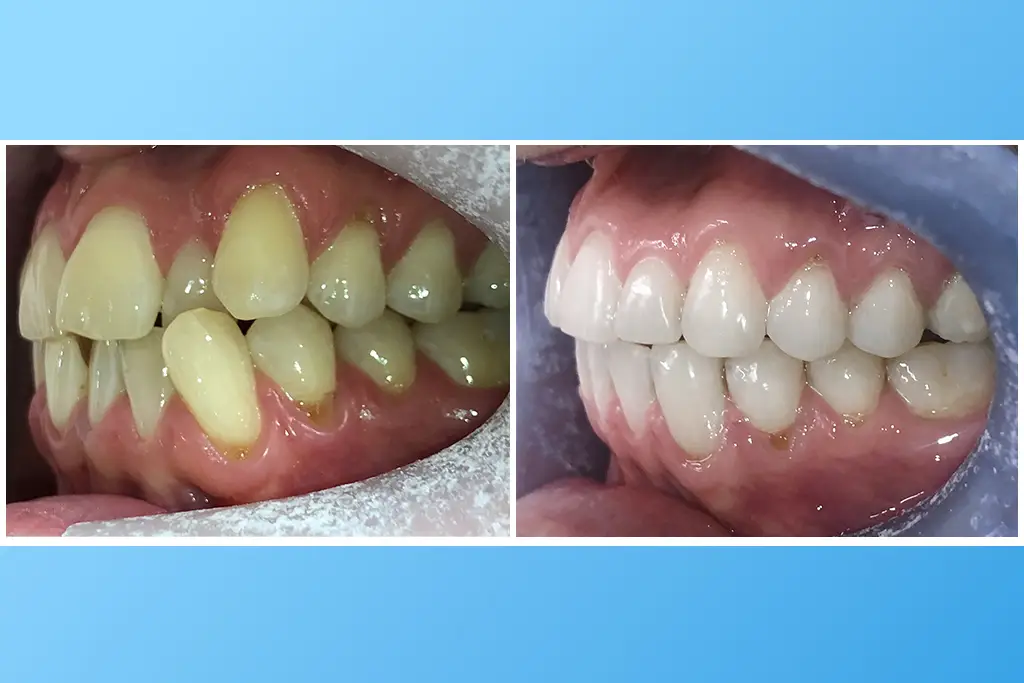
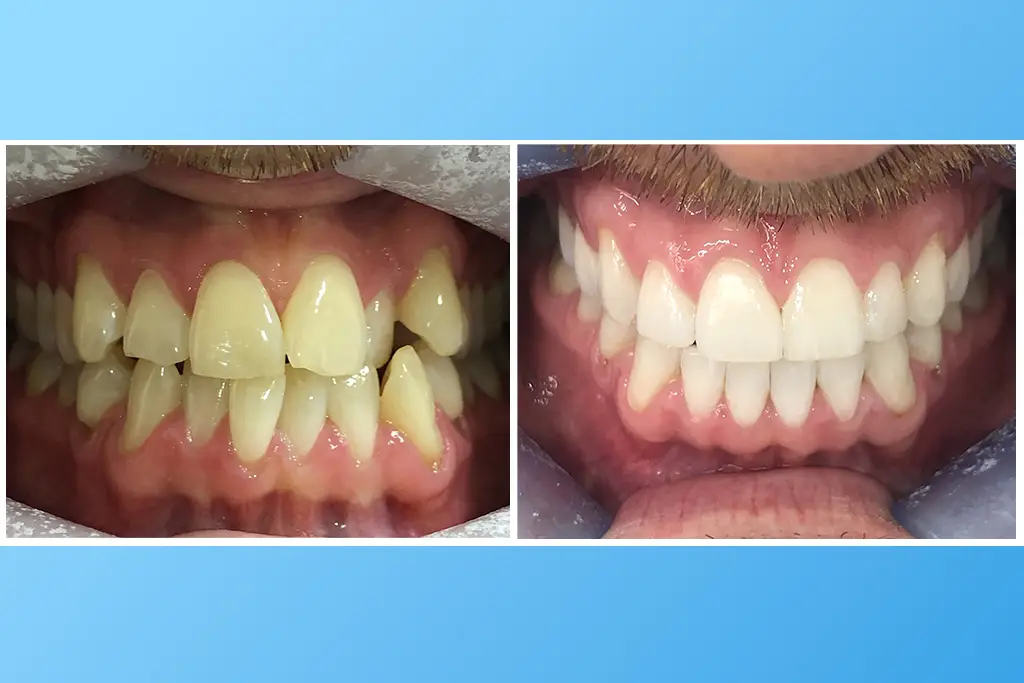
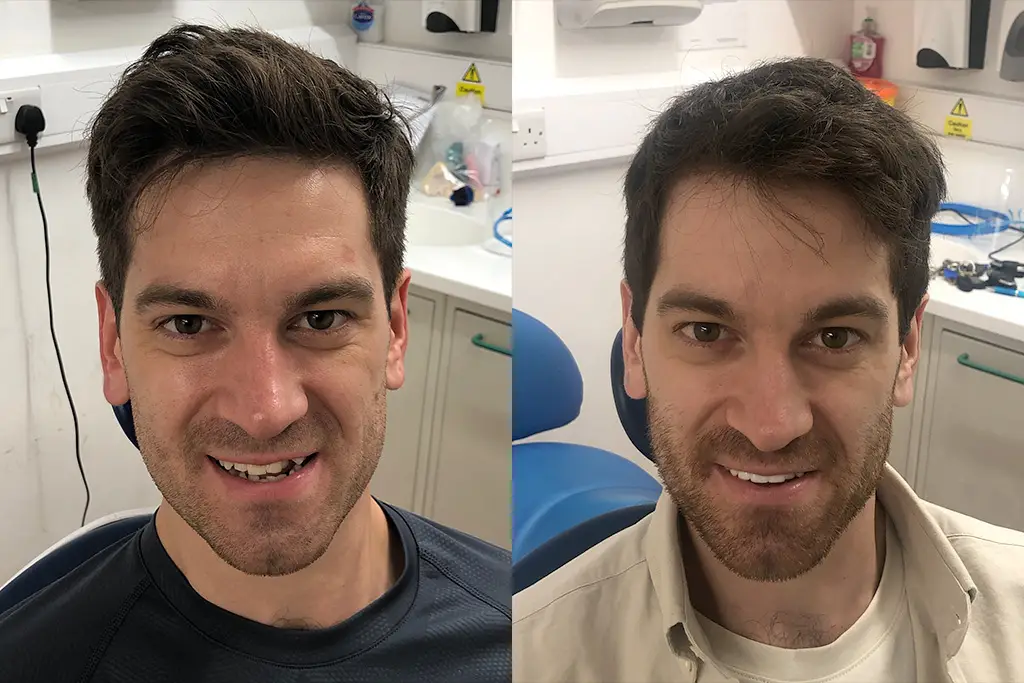
Rediscover your smile at Dental Implants Plus. Explore our Smile Gallery to view genuine transformations from satisfied patients. Your journey to a brighter, more confident smile begins today.
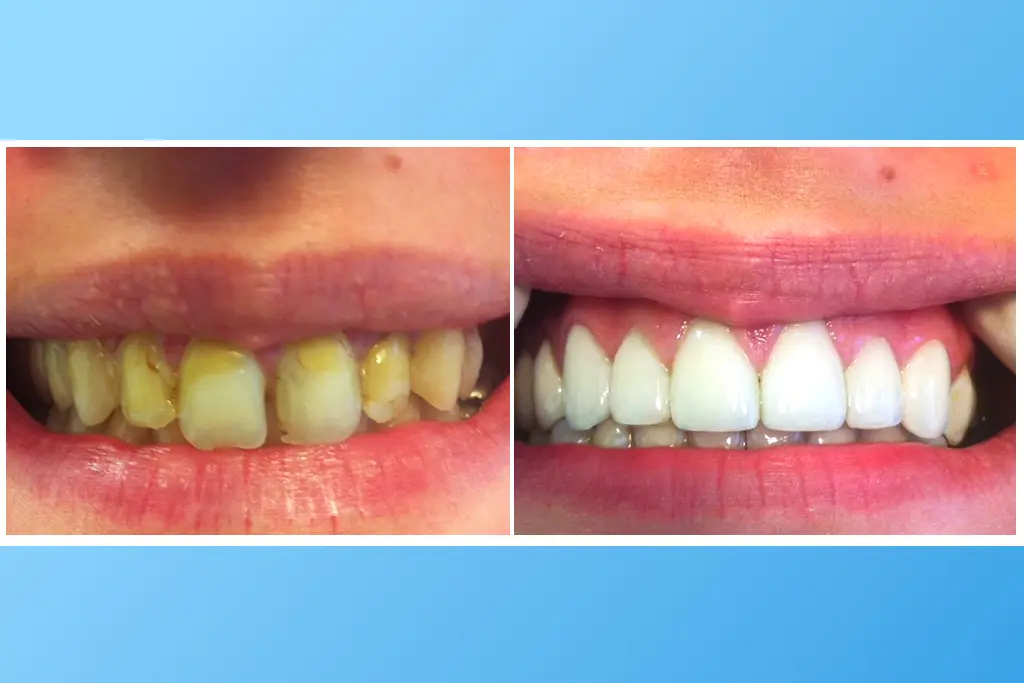
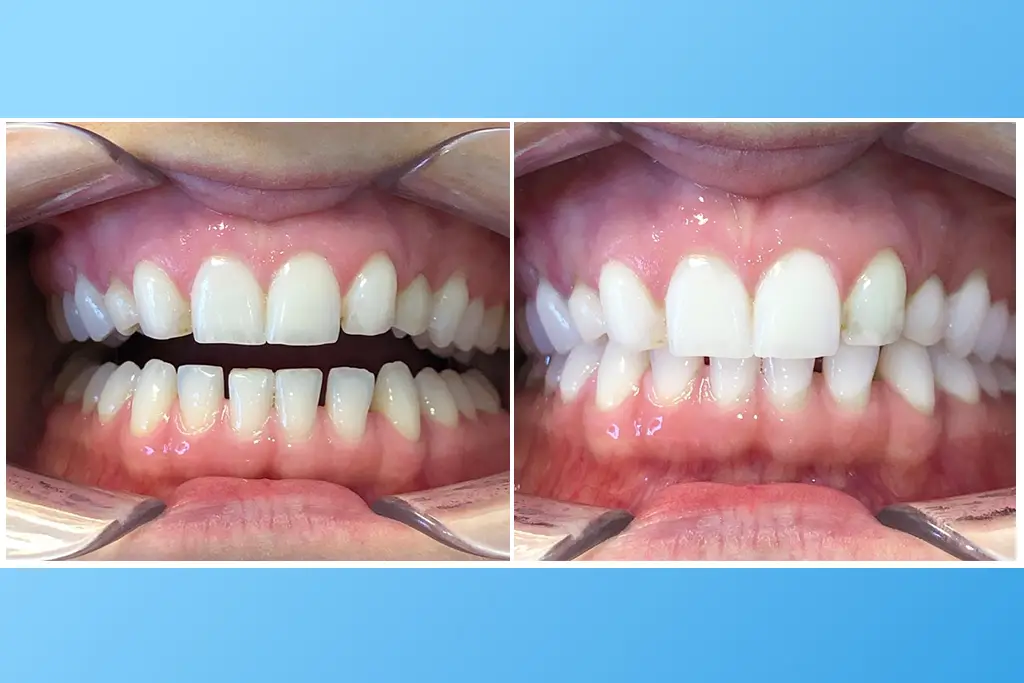
Not necessarily. Crowns are used after root canals, to protect a cracked tooth, or to restore one that’s been heavily filled. It’s often a preservation measure, not a last resort. That said, if you’re being offered a crown on a tooth that seems fine, ask why specifically.
Typically 10–15 years, sometimes longer. Lifespan depends on the material, where in the mouth it sits, and whether you grind your teeth. Back teeth take more force and wear faster. A crown isn’t a permanent fix — it’s a long-term one.
Porcelain and ceramic crowns are colour-matched and usually blend well. Metal or metal-fused crowns are more visible — fine for back teeth, less ideal at the front. Ask which material is being recommended and why, especially if it’s a visible tooth.
The preparation is done under local anaesthetic, so discomfort during the appointment is minimal. Some sensitivity afterwards — particularly to temperature — is normal and usually settles within a couple of weeks. If pain persists beyond that, go back.
Yes, it can — usually because the cement has failed or the tooth underneath has decayed. It’s not common with well-placed crowns, but it happens. If it does, keep the crown and contact the practice promptly. Don’t leave the exposed tooth unprotected.
Keep updated with the latest trends and styles regarding cosmetic dentistry. We will provide you with the genuine news regarding dental health.