
Oral Surgery

“Expert Oral Surgery in Cheadle, Manchester – Safe, Comfortable Treatment for Dental Implants, Wisdom Teeth & More

Oral Surgeon in Manchester

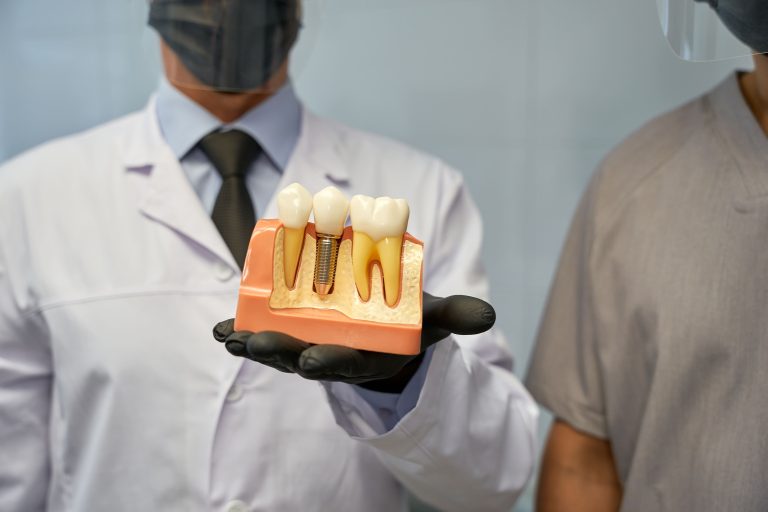
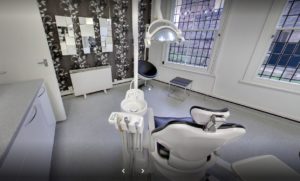
surgery 300x181 1Our fully-equipped dental oral surgery in Manchester is the ideal place to have your dental implant fitted. Our expert team consists of several highly-trained, professional consultant oral surgeons who will put you at ease every step of the way. We will monitor your ongoing treatment more closely with all the medical history, treatment options and treatment plan making sure that you are happy with the work and that you can benefit fully from the advantages that your new dental implant will bring.

Whether you are in need of a new single or multiple dental implants or are having issues around roots, wisdom teeth, soft lesions or existing dental implants we can help you restore your oral appearance and eliminate any pain or discomfort you may be experiencing.
Nervous patients are well-cared for with IV sedation available for maximum comfort during treatment. We will talk you through all aspects of the treatment process before we begin and are always available via phone or in-person for any questions or concerns you may have about your oral surgery in Manchester. In addition, we are happy to discuss payment methods prior to treatment, with a range of options available for paying in instalments if applicable.

Want to know more about our dental surgery?

For more details about our state-of-the-art premises and welcoming team of Manchester-based oral surgeons, get in touch with us to book your free, no-obligation initial consultation.

Benefits of Oral Surgery

  • Supports Dental Implants
    Procedures like bone grafting or sinus lifts make it possible to place implants in areas with bone loss.
  • Relieves Pain and Discomfort
    Whether it’s wisdom teeth or jaw issues, oral surgery helps eliminate pain and restore comfort.
  • Improves Oral Function
    Surgery can correct bite problems, improve chewing, and make speaking easier and more natural.
  • Removes Infections or Impacted Teeth
    Infected, damaged, or trapped teeth can be safely removed to prevent further complications.
  • Restores Bone and Tissue Health
    Bone grafts and gum surgeries help rebuild areas affected by disease or trauma, supporting long-term dental health.
  • Corrects Jaw Alignment
    Surgical correction of the jaw can relieve TMJ issues, improve appearance, and enhance function.
  • Stops the Spread of Disease
    Removing infected teeth or tissues can prevent oral infections from spreading to other parts of the body.
  • Improves Long-Term Oral Health
    Treating issues at the root causes helps protect your teeth, gums, and jaw for years to come.
  • Boosts Self-Confidence
    A healthier mouth often leads to a brighter smile and greater confidence in social and professional settings.
rating

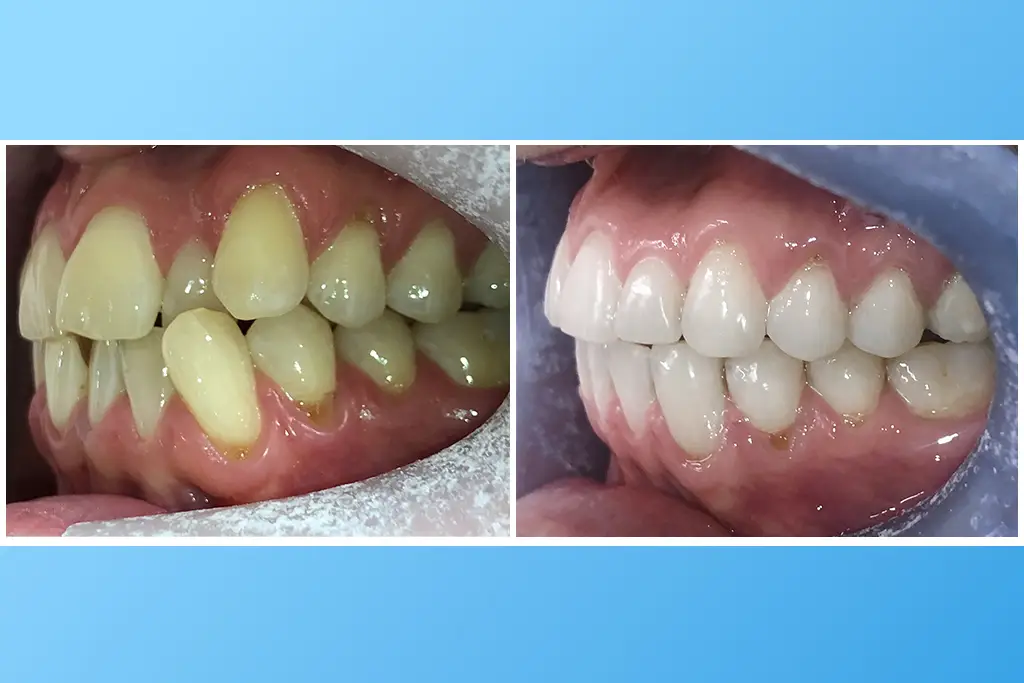
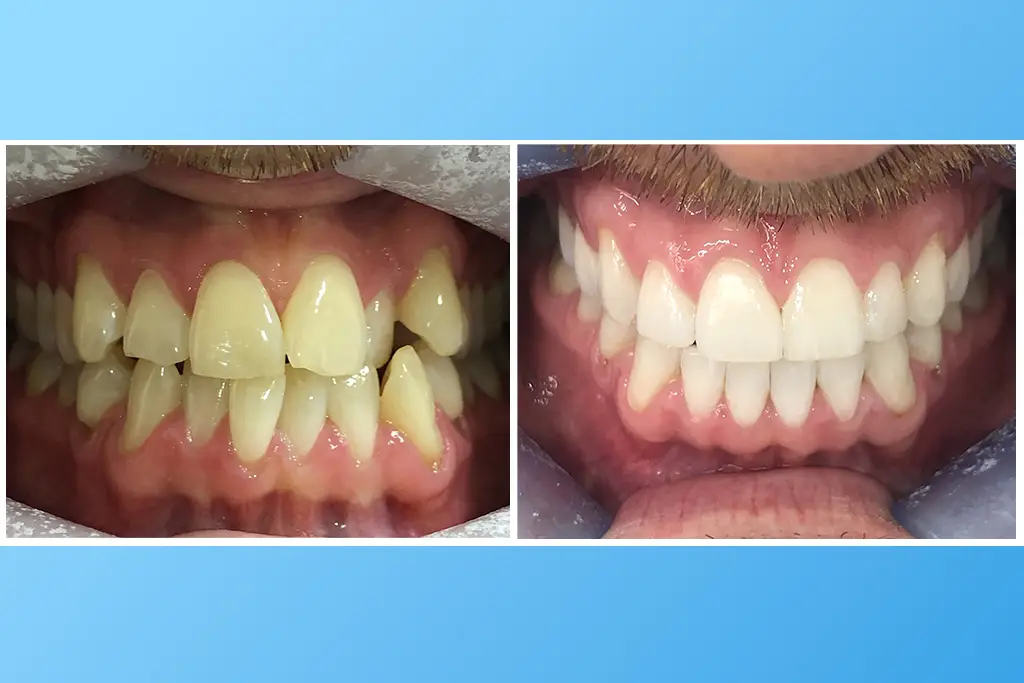
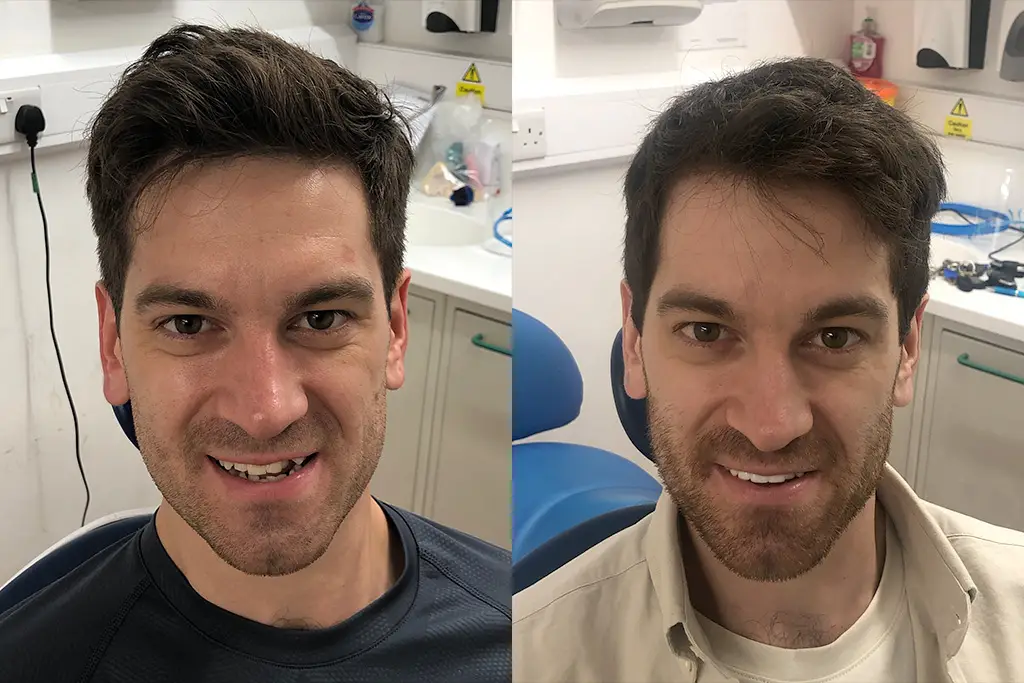
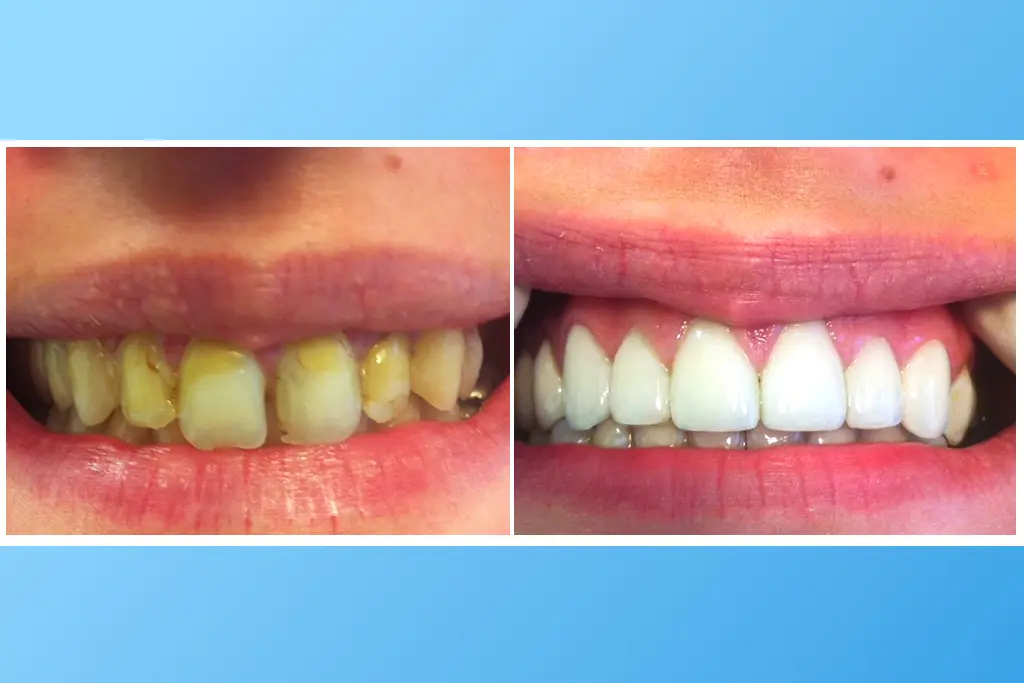
Smile Gallery

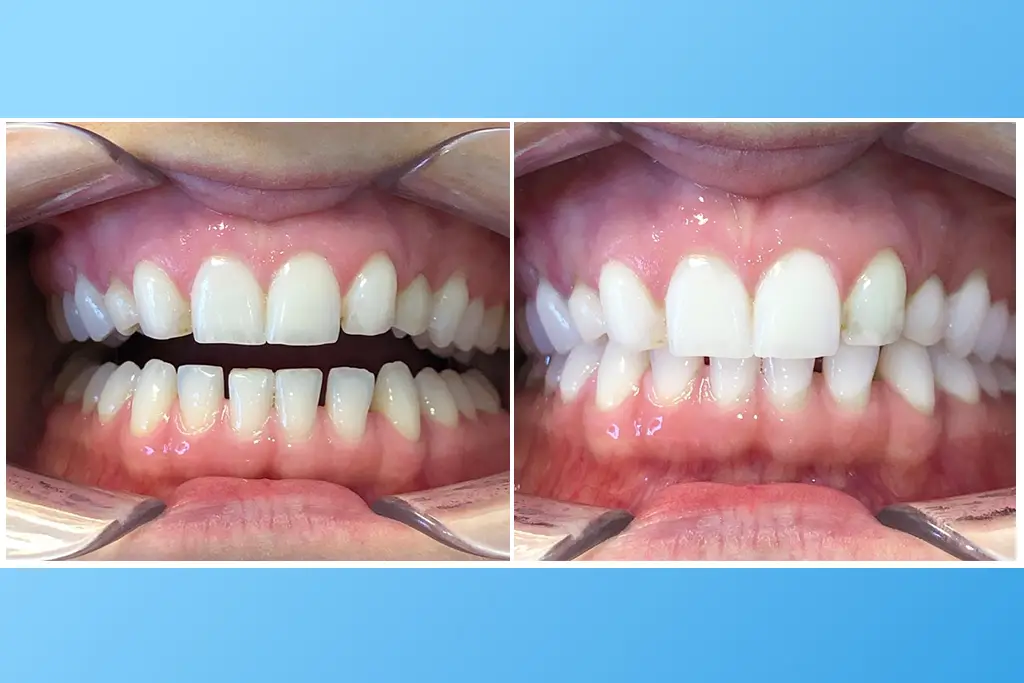
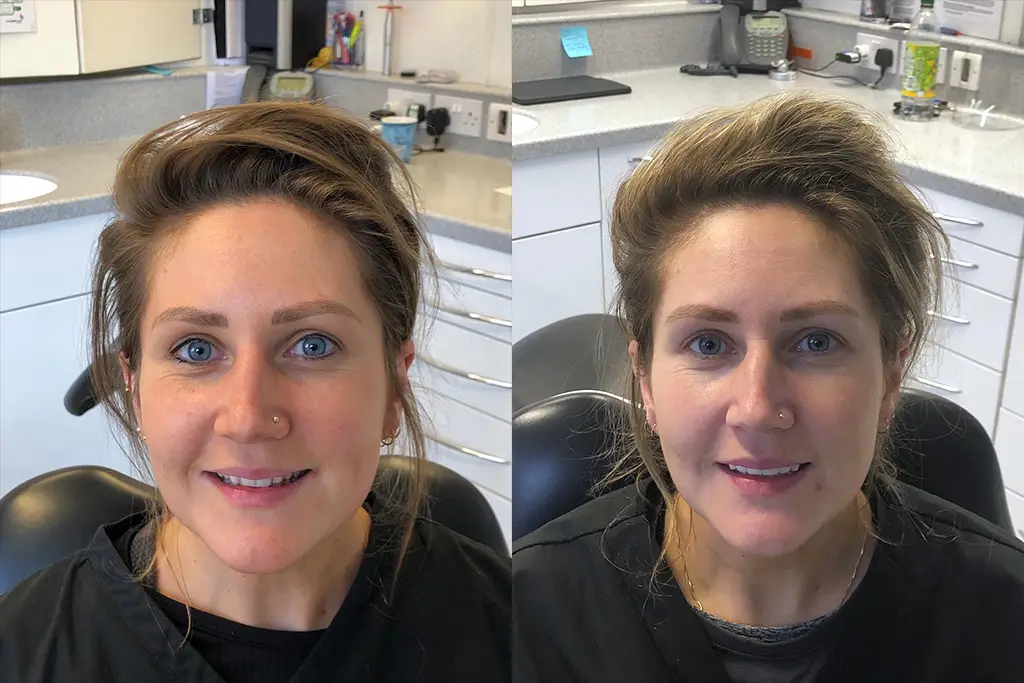
Rediscover your smile at Dental Implants Plus. Explore our Smile Gallery to view genuine transformations from satisfied patients. Your journey to a brighter, more confident smile begins today.

FAQs

No. Oral surgery covers a range of procedures — removing impacted wisdom teeth, exposing unerupted teeth, bone grafting, treating cysts, or placing implants. Extraction is the most common, but the term is broader than most people assume. Ask specifically what’s being proposed and why surgery is necessary over a simpler option.
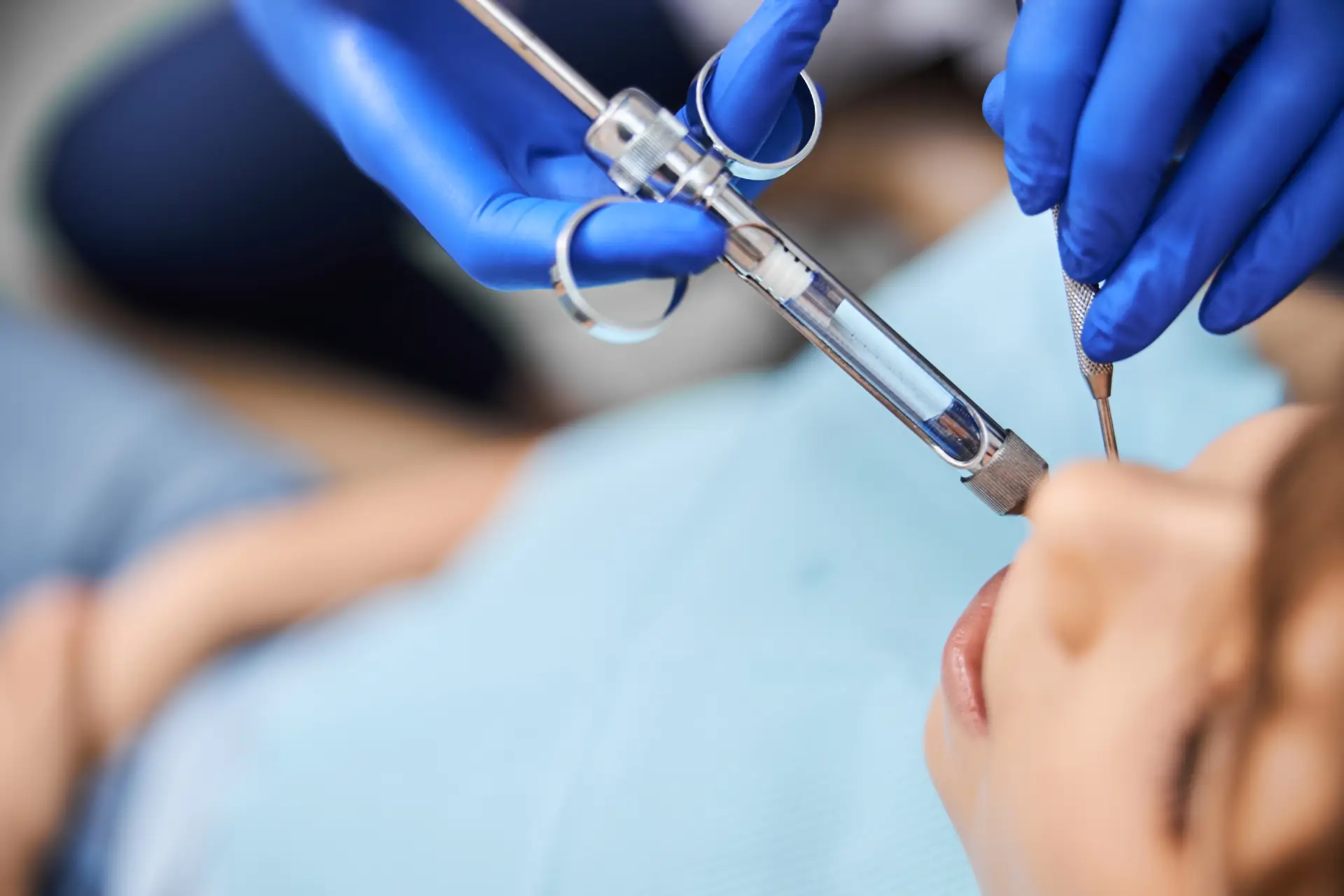
Usually not. Most oral surgery in a dental practice is carried out under local anaesthetic — you’re awake but numb. Sedation is available if anxiety is a factor. General anaesthetic typically means a hospital referral. If you’re nervous, ask about sedation options before assuming the worst.
Depends on the procedure. A straightforward extraction — a few days. Wisdom tooth removal or bone grafting — up to two weeks before you feel normal. Swelling, stiffness, and some bleeding in the first 48 hours is expected. If pain is worsening after day three rather than improving, contact the practice.

Not immediately. Soft foods for the first few days — soup, mashed potato, yoghurt. Avoid anything hot, hard, or chewy near the site. Straws are off the table for at least 24 hours; the suction can dislodge the blood clot and cause a dry socket, which is significantly more painful.

Dry socket happens when the blood clot that forms after extraction is dislodged before the wound heals — leaving the bone exposed. It’s painful and delays recovery. Avoid smoking, straws, and vigorous rinsing for at least 48 hours. Smokers are at considerably higher risk.

Latest News

Keep updated with the latest trends and styles regarding cosmetic dentistry. We will provide you with the genuine news regarding dental health.