
Pain-Free Root Canal Treatment in Cheadle, Manchester – Expert Root Canal Therapy for Long-Lasting Tooth Health
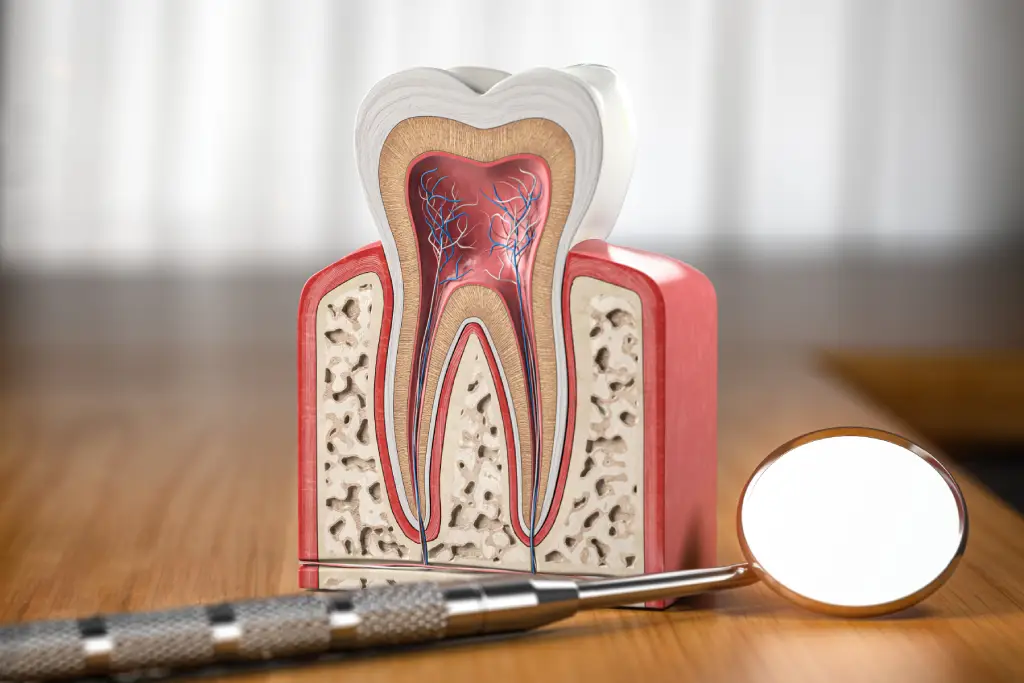
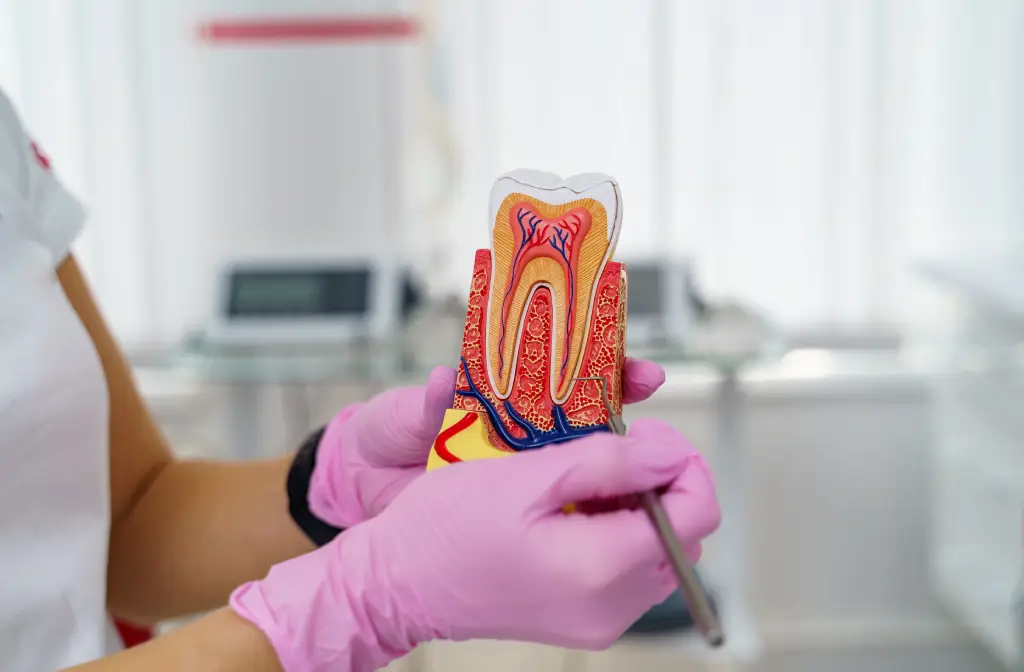
At Dental Implants Plus, we prioritise preserving your natural smile. Root canals are a valuable dental procedure that can save a tooth that might otherwise need extraction. This treatment removes infected pulp within the tooth, alleviating pain and preventing further complications like infection or bone loss.
Choosing root canal treatment offers several benefits:
Our root canal procedure is designed for comfort and effectiveness. We begin with a consultation to assess the tooth and answer your questions. The treatment itself involves local anaesthesia for pain control, followed by careful removal of the infected pulp, cleaning and disinfection, and sealing the tooth with a temporary filling. In most cases, a permanent crown is placed on the tooth to restore its strength and function.
Expert Care: Our experienced team of specialists is dedicated to providing precise and effective root canal treatments.
Advanced Technology: We utilise the latest in dental technology to ensure optimal results and patient comfort.
Long-lasting Results: With proper care, your restored tooth from Dental Implants Plus can last a lifetime, giving you peace of mind.
Quick action can save your tooth and reduce pain. Contact us for immediate support.
Call Us Now:
0161 428 2355
Call Us Now:
0161 428 2355

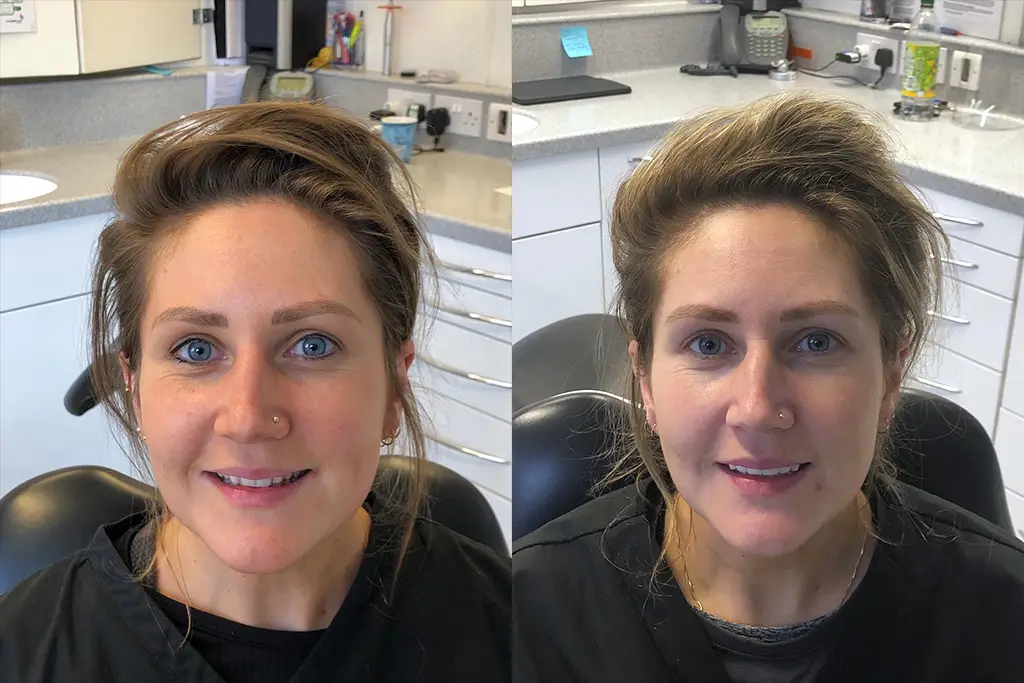
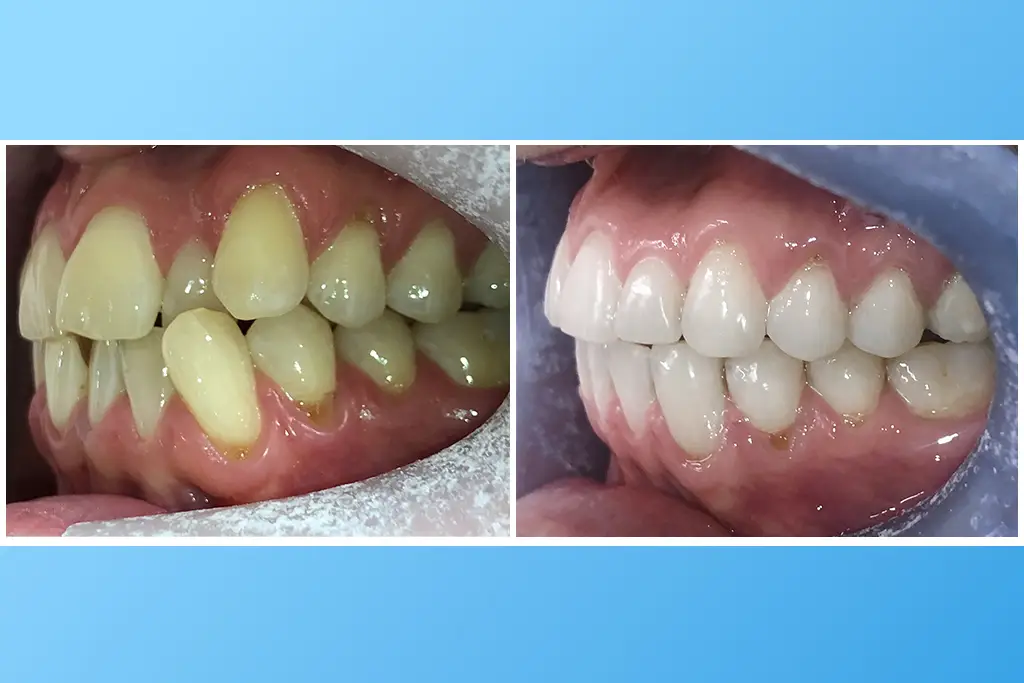
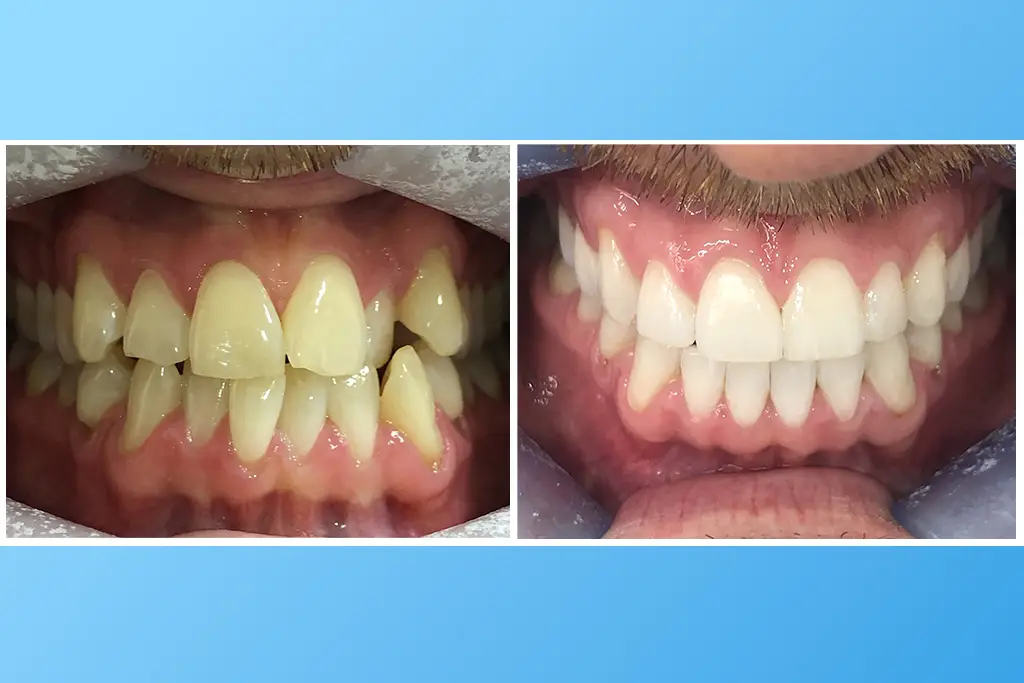
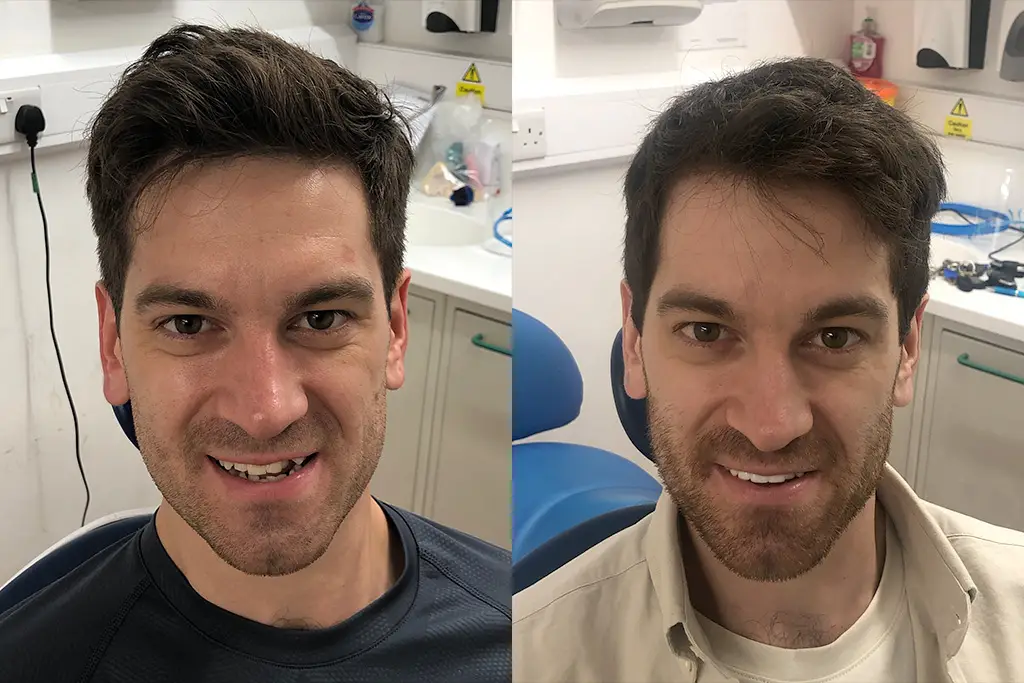
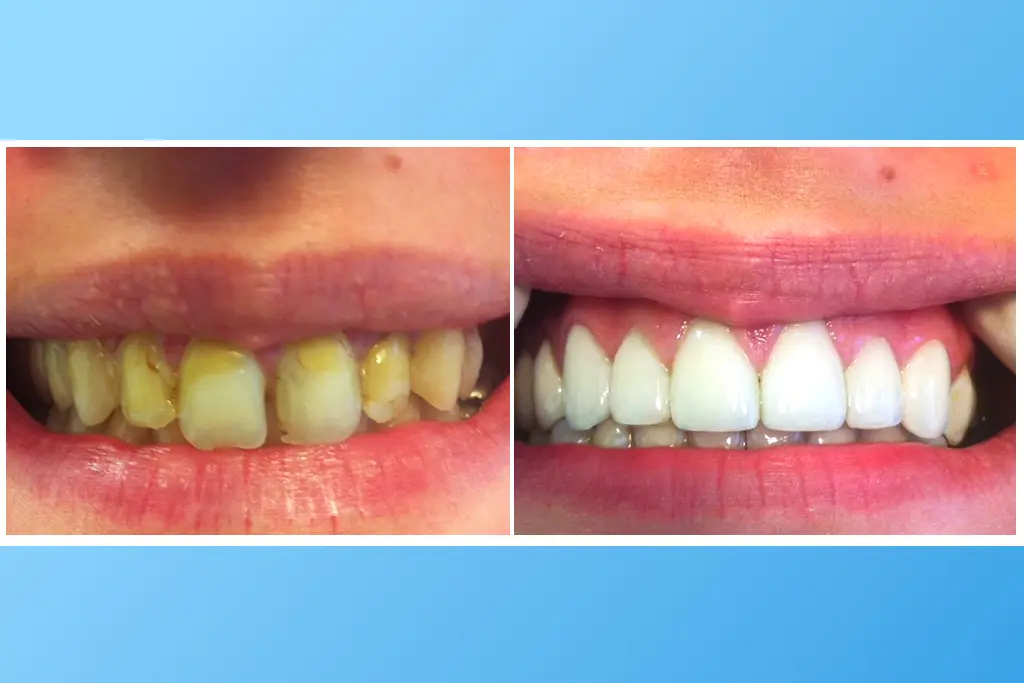
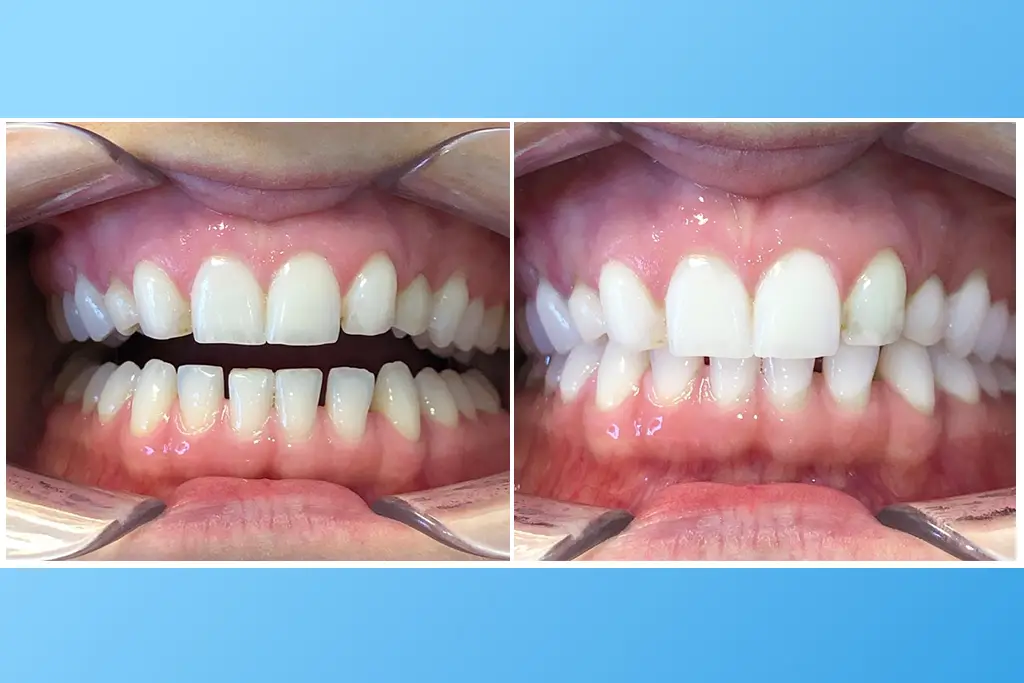
Rediscover your smile at Dental Implants Plus. Explore our Smile Gallery to view genuine transformations from satisfied patients. Your journey to a brighter, more confident smile begins today.
The reputation is outdated. The procedure itself is done under local anaesthetic — most patients feel pressure, not pain. The soreness that follows for a day or two is manageable with over-the-counter painkillers. What actually hurts is the infected tooth beforehand, which root canal treatment resolves.
Persistent toothache, sensitivity to heat that lingers, swelling around the gum, or a tooth that’s darkened are common signs. But some infected teeth cause no pain at all — which is why X-rays matter. Don’t self-diagnose; get it assessed before the infection spreads to the bone.
Usually two, sometimes three. The first clears the infection and shapes the canals. The second seals them. Complex cases — curved roots, multiple canals, or significant infection — take longer. A crown is typically recommended afterwards to protect the treated tooth from fracture.
Yes. Re-infection is possible if the canals weren’t fully cleaned, the seal breaks down, or a crack develops in the tooth. Success rates are high — around 85–90% over ten years — but not guaranteed. If pain returns months or years later, a retreatment or extraction may be needed.
Sometimes, yes — particularly if the tooth is severely damaged or the bone around it is badly compromised. But keeping your natural tooth is generally preferable where possible. Extraction creates a gap that affects bite and bone density over time, unless replaced with a bridge or implant, which adds cost.
Keep updated with the latest trends and styles regarding cosmetic dentistry. We will provide you with the genuine news regarding dental health.